A Prescription Without a Co-Pay
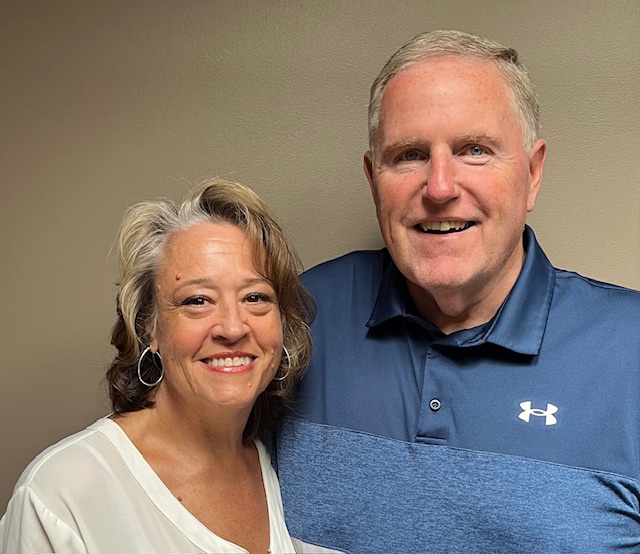
By Jeff & Mary Anne Woofter
Let’s just say this upfront: if there were a pill that could slow Parkinson’s and Alzheimer’s, improve your mood, sharpen your memory, help you sleep better, reduce your risk of falling, and add healthy years to your life—we’d all be lined up around the block. And if that pill happened to taste like peanut butter pie? Forget it. We’d be on that like a pack of dogs on a three-legged cat!
But here’s the kicker: that “pill” already exists. It’s just not shaped like a pill. It’s shaped like a walk around the block, a leafy green salad, and a solid night of sleep. Not quite as exciting as pie, but it’s what the research keeps shouting from the rooftops: LIFESTYLE MATTERS. Especially for folks like us—living with Parkinson’s, Alzheimer’s, or any of the other chronic diseases life throws our way.
Move It or Lose It
We’ll be the first to admit it: there are days when getting off the couch feels like summiting Everest or, like we stated in one of our videos, like we’ve already spent a full day working in a hay field. But study after study shows that regular physical activity, especially aerobic exercise, can improve balance, motor symptoms, cognitive function, and even slow disease progression.
We try to get out and walk most days, which may just be a walk to the mailbox, or a mile around our neighborhood. Or we spend time in our pool doing exercises. Jeff wears a flotation belt and uses floatable hand weights to workout while Mary Anne likes to swim laps. Sometimes we’re moving with purpose and sometimes we’re just strolling or paddling along, but it all counts. And on the days we don’t feel like it? We try to go shopping. It’s easier to exercise when you don’t realize you’re exercising.
We sent this column out to our kids for review and Brandon said to not forget pickleballing, crawling around on the floor with Millie, and playing with our six granddogs!
You Are What You Eat (So Maybe Don’t Be a Jelly Donut)
Nutrition isn’t about perfection, it’s about stacking the deck in your favor. Diets like the Mediterranean or the MIND diet have been linked to lower rates of cognitive decline and improved brain health. We’re not talking about kale at every meal or saying goodbye to ice cream forever, but we are trying to eat more vegetables, whole grains, fish, nuts, and olive oil, and fewer ultra-processed, sugary, salty temptations.
In our house, we say, “Progress, not perfection.” We still believe donuts are good for the soul, especially when they’re taken to the staff at RNI for Mary Anne’s Leqembi infusions. That’s not cheating. That’s community service!
Sleep: The Unsung Hero
Sleep isn’t just downtime, it’s repair time. Deep sleep is when the brain clears out waste, including the beta-amyloid proteins linked to Alzheimer’s. For those of us with Parkinson’s or Alzheimer’s, quality sleep is even more critical, yet it’s often harder to come by.
We all have heard, or been told, about numerous ways to get good sleep. Limit times in front of screens (TV’s, phones, computers) before bed, don’t go to bed angry, read boring books, count sheep, etc.
We know none of these habits are flashy. They won’t go viral on TikTok. But they might just help us stay on our feet longer, keep our minds clearer, and be present with the people we love for more good days.
So here’s our simple prescription: move a little more, eat a little better, and rest like it’s your job. Because when it comes to chronic illness, we may not have control over the diagnosis, but we do have some say in how we live with it.
And if all else fails, remember this: a brisk walk to the fridge for a handful of blueberries is both exercise and nutrition. Just don’t trip over the dog, and/or cat, or yourself on the way.
Until next time,
Jeff & Mary Anne Woofter