Why We Need People More Than Pills
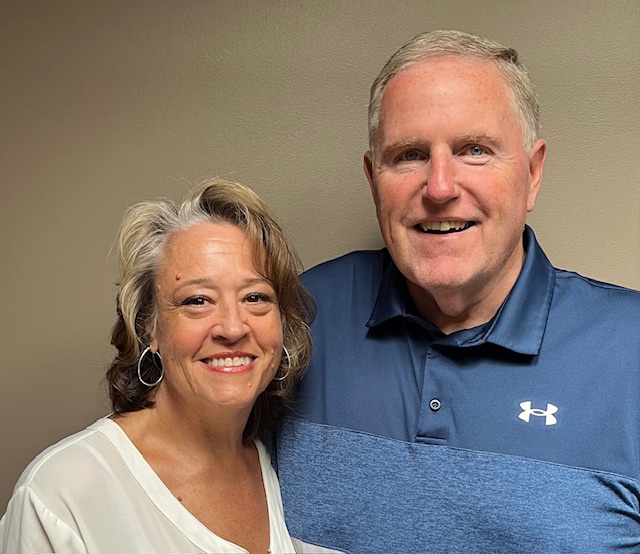
By Jeff & Mary Anne Woofter
When you’re battling something like Parkinson’s, Alzheimer’s, or any chronic disease, the temptation to pull back from the world is strong. The energy tank runs low, your confidence takes a hit, and sometimes just getting out the door feels like running a marathon.
Here’s the truth, isolation is the real enemy. Study after study tells us that staying socially connected can improve mood, sharpen thinking, reduce stress, and even slow disease progression. In other words, being sociable isn’t just nice, it’s necessary.
Laughter Really “Is” the Best Medicine
Mary Anne and I have learned that sharing a laugh with friends, and/or family, is most often more powerful than any prescription. We love those opportunities when we can get all our kids together. Then we just sit back and listen to them tell stories from the present and past and we, invariably, all end up laughing to the point of tears.
Humor doesn’t erase the challenges, but it sure makes them easier to carry. Plus, you burn calories when you laugh, which is great news for people like me who still believe that ice cream with Hershey’s syrup is a food group.
The Power of Showing Up
Here’s the thing: socializing doesn’t always mean big events or crowded parties. Sometimes it’s just coffee with a neighbor, a phone call with your kids, attending a Lion’s Club meeting, going to Church or sitting on the porch waving at whoever walks by. Of course, at our house, the only things walking by are deer, racoons, squirrels, etc. We still wave, but they haven’t waved back, Yet. The act of “showing up”, even in small ways, reminds us that we’re still part of something bigger than ourselves.
We’ve found that when we push ourselves to attend gatherings, even when we don’t feel like it, we almost always leave lighter, brighter, and glad we went. The disease wants to shrink our world. We fight back by widening it.
Friends as Medicine
Doctors prescribe pills, but friends prescribe hugs, laughter, and encouragement. Both are essential. Surrounding yourself with supportive, positive people doesn’t cure the disease, but it does cure the loneliness, and that makes all the difference.
If you’re reading this and thinking, “But I don’t have the energy to go out,” start small. Text a friend. Join a local group. Invite someone over for tea. Even a short visit can give you a boost that lasts the whole day.
Here’s our reminder to you (and to ourselves): don’t let illness steal your connections. Stay plugged in, stay laughing, stay present. Because while exercise strengthens the body, and sleep strengthens the brain, relationships strengthen the soul.
So next time you’re deciding between the couch and a coffee date, choose the coffee. The couch will still be there when you get back.
Until next time,
Jeff & Mary Anne