Problem Gambler Program Helps Addicts in West Virginia
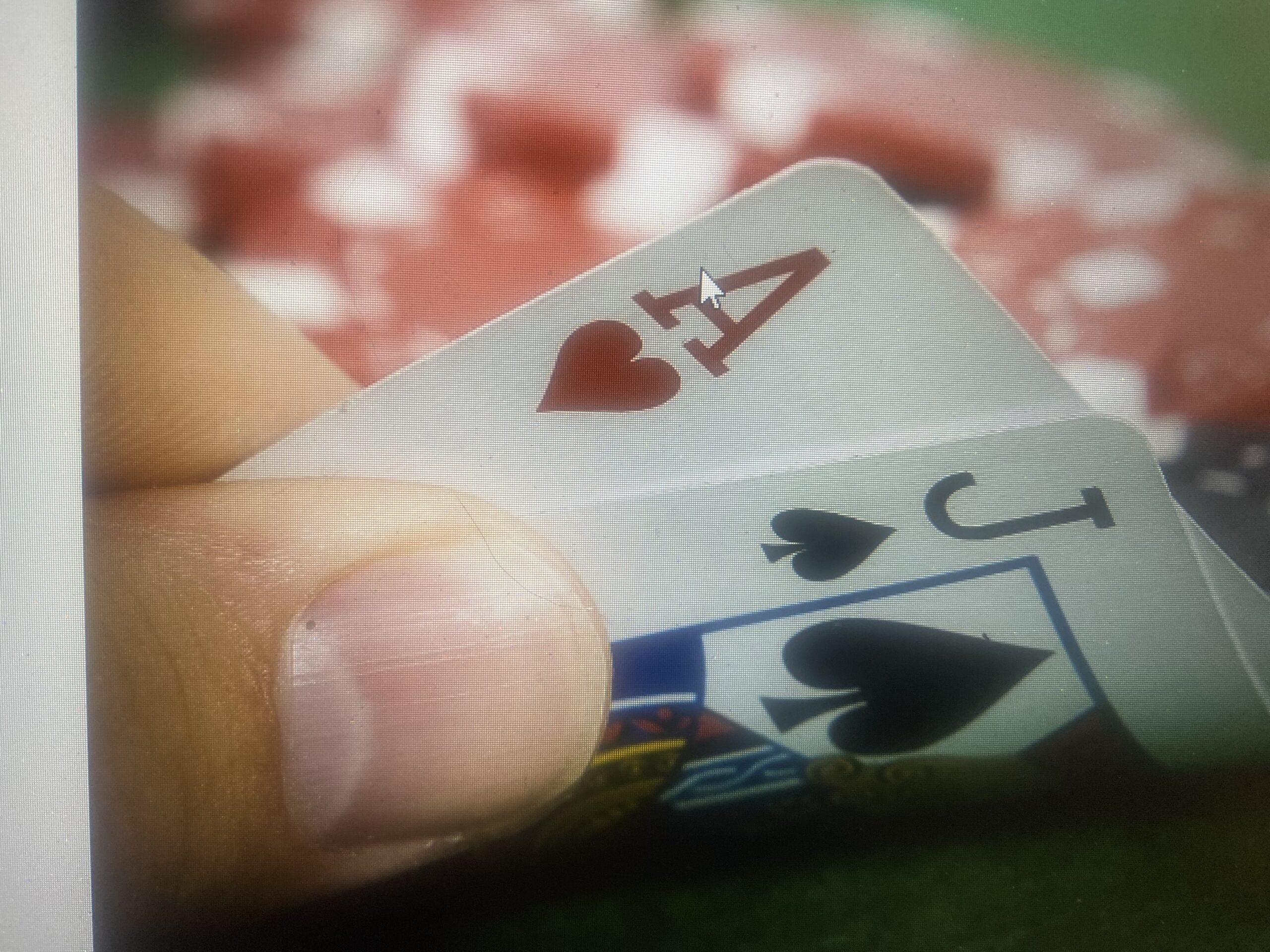
Prior to 1995, there was no legalized gaming in West Virginia aside from purchasing a lottery ticket or betting on a horse or dog race. That all changed in 1995, when two Hancock County Delegates, the late Sam Love (D-1st) and Tamara Pettit (D-1st) sponsored and passed legislation to allow a constitutional amendment on Limited Video Lottery machines at the State’s 4 racetracks. When put to Hancock County voters, Racetrack Video Lottery, passed overwhelmingly and only lost in one precinct (New Manchester). That was 25 years ago and Pettit said she never would have envisioned the forms of gaming that would become legal…especially on-line gaming.

“During the legislative process when we passed the Racetrack Video Lottery Act, the opponents coined a term that stuck. They said that video lottery was a “slippery slope” that would take the State and its citizens to gambling like table games, sports betting, etc.,” said Pettit. “Were they right? Yes, because from that point on legalized gaming ballooned and the state, county and municipalities began to depend on the revenue.”

Proponents of legalized gambling, argued that in counties like Hancock, gaming had been wide-open and at least the money was going to the State rather than organized crime.

In “sweetening the pot”, authors of the bill looked at how they could entice more delegate and senators to vote for the legislation by including something they supported. The final distribution included 1 percent for the Problem Gambling Help Network of West Virginia.

Twenty-five years later, the organization continues to help compulsive gamblers find treatment and pays for up to 20 counseling sessions close to home. The number of the Help Network must be included in every ad for gambling and displayed throughout the casinos. The Network itself, has turned to billboards to convey the help that is available.

During her 11years as Public Relation Director at Mountaineer Racetrack, Resort & Casino, Pettit served on the Council for the Problem Gambling Network. She said each month a recovered compulsive gambler would speak. Many had ended up stealing from their employer, lost their homes and families; even ended up in prison and still could not stop until they made the phone call to 1-800-GAMBLER, the problems gamblers’ helpline.

With that call, the gambler is connected very quickly with a counselor for assessment. An appointment with a counselor who specializes in problem gambling located close to the gambler’s home is then set up with 20 sessions paid for by the Network.

The annual report from the Problem Gamblers’ Network indicates that in 2021, the helpline experienced a 37 percent increase in intakes. The primary form of problematic gambling was Limited Video Lottery terminals. However, for the first time, the form of gambling that has been the 2nd highest cited, slot machines, was edged out by those who are gambling on sports, primarily on mobile devices. Helpline data indicates that the majority of callers reporting gambling on sports were doing so online.

Treatment services for problem gambling not only includes private counseling but support groups. There are currently five Gambler’s Anonymous Groups in West Virginia. Problem gamblers can also avail themselves of other free resources including a self-help workbook, information on self-exclusion, credit counseling and debt relief referrals, access to software that blocks gambling sites from computers and mobile devices and referrals for psychiatric counseling or social services for comorbid conditions.

So was the passage of Racetrack Video Lottery a “slippery slope” into the myriad of gambling options that are detrimental to the lives of many West Virginia residents?

“I did not envision that gaming would extend into online and mobile devices,” said Pettit. “Those are dangerous and do damage. The Legislature needs to find a way to make that form of gaming illegal.”

“As for on-site gaming it was here. Those of a certain age, may remember the Paddock, the Red Dog, the Cactus and the numerous clubs on the Route 30 strip that were controlled by organized crime families. You only had to walk across the street in Weirton to access the bars where sports betting was rampant. You could be on anything. On election day, I always checked my odds to win.”

“While one can debate, the wisdom of legalizing video lottery, one cannot debate that the creation of the Problem Gambler’s Council has been a lifeline for many problem gamblers. We got it right by allocating 1 percent to the program and I would support the legislature up that to 2 percent in the coming session,” said Pettit.