MORGANTOWN, W.Va. – More than 100,000 people nationally are waiting for a life-saving organ transplant, according to the Center for Organ Recovery & Education (CORE). More than 90,000 of these patients are awaiting a kidney transplant, the organ in greatest need, followed by liver, heart, and lung transplants.
The WVU Medicine Transplant Alliance is celebrating National Donate Life Month by encouraging everyone to give the gift of life and provide hope to those still waiting for an organ transplant.
Unfortunately, the demand for organs outweighs the supply. National Donate Life Month inspires people to bridge this gap by registering as organ donors. The month is also a time to honor those who have received transplants, recognize those who are still waiting, and celebrate the generosity of donors and their families.
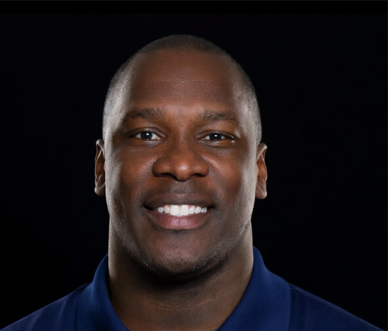
“There is so much good that can come from organ donation,” Jey Judy, transplant coordinator at the WVU Medicine Transplant Alliance, said. “It’s so rewarding for the recipient themselves, but even on the donation side for the family members, there are so many amazing things that can come out of it.”
Anyone has the potential to be an organ donor regardless of age, ethnicity, or medical history. The impact organ donation makes is extensive:
- A single organ donor can save up to eight lives.
- More than 75 lives can be saved or healed by a single tissue and cornea donor.
- Thirteen people die each day while waiting for a life-saving organ; every registered donor helps address this critical shortage.
- Multicultural communities represent more than half of the transplant waiting list, so a diverse donor registry increases the chances of a match for everyone.
Patients on national waiting lists for an organ can sometimes wait years for a transplant, and this period can be both frustrating and mentally exhausting.
“Once you’re active on the list, an offer can pop up at any time,” Judy said. “You have to be ready. But it can be frustrating, and that always-being-ready type thing wears on patients.”
Tyler Skidmore, M.D., a neurologist at WVU Medicine Thomas Hospitals in Charleston and a registered organ donor, searched for a living donor with help from his family. Although their efforts were unsuccessful, he encouraged those who may be interested in living donation to investigate the process.
“It’s a lot of waiting, so you just have to try to maintain a good mindset and still try to be as active and healthy as you can,” Dr. Skidmore, who received a kidney in November, said. “If it’s something you’re interested in, look at what options there are.”
In the latest episode of the Live Healthy West Virginia podcast, “Organ Donation: Leave a Legacy, Donate Life,” George Sokos, D.O., chair of Cardiology and transplant cardiologist at the WVU Heart and Vascular Institute, answers questions and busts some myths about organ donation. The podcast is available on WVU Medicine’s YouTube channel and Spotify.
To register as an organ donor, visit RegisterMe.org/WVUMedicine.
For more information on the WVU Medicine Transplant Alliance, including becoming a living donor, visit WVUMedicine.org/Transplant or call 304-974-3004.
For media inquiries: Shaunna Dunder Hershberger, WVU Medicine Communications Specialist – [email protected]

About WVU Medicine
For Professionals
Reports
© 2026 Copyright – West Virginia University Health System
Price TransparencyWVU Medicine highlights the power of organ donation this April
April 8, 2026
Share this article:
MORGANTOWN, W.Va. – More than 100,000 people nationally are waiting for a life-saving organ transplant, according to the Center for Organ Recovery & Education (CORE). More than 90,000 of these patients are awaiting a kidney transplant, the organ in greatest need, followed by liver, heart, and lung transplants.
The WVU Medicine Transplant Alliance is celebrating National Donate Life Month by encouraging everyone to give the gift of life and provide hope to those still waiting for an organ transplant.
Unfortunately, the demand for organs outweighs the supply. National Donate Life Month inspires people to bridge this gap by registering as organ donors. The month is also a time to honor those who have received transplants, recognize those who are still waiting, and celebrate the generosity of donors and their families.
“There is so much good that can come from organ donation,” Jey Judy, transplant coordinator at the WVU Medicine Transplant Alliance, said. “It’s so rewarding for the recipient themselves, but even on the donation side for the family members, there are so many amazing things that can come out of it.”
Anyone has the potential to be an organ donor regardless of age, ethnicity, or medical history. The impact organ donation makes is extensive:
- A single organ donor can save up to eight lives.
- More than 75 lives can be saved or healed by a single tissue and cornea donor.
- Thirteen people die each day while waiting for a life-saving organ; every registered donor helps address this critical shortage.
- Multicultural communities represent more than half of the transplant waiting list, so a diverse donor registry increases the chances of a match for everyone.
Patients on national waiting lists for an organ can sometimes wait years for a transplant, and this period can be both frustrating and mentally exhausting.
“Once you’re active on the list, an offer can pop up at any time,” Judy said. “You have to be ready. But it can be frustrating, and that always-being-ready type thing wears on patients.”
Tyler Skidmore, M.D., a neurologist at WVU Medicine Thomas Hospitals in Charleston and a registered organ donor, searched for a living donor with help from his family. Although their efforts were unsuccessful, he encouraged those who may be interested in living donation to investigate the process.
“It’s a lot of waiting, so you just have to try to maintain a good mindset and still try to be as active and healthy as you can,” Dr. Skidmore, who received a kidney in November, said. “If it’s something you’re interested in, look at what options there are.”
In the latest episode of the Live Healthy West Virginia podcast, “Organ Donation: Leave a Legacy, Donate Life,” George Sokos, D.O., chair of Cardiology and transplant cardiologist at the WVU Heart and Vascular Institute, answers questions and busts some myths about organ donation. The podcast is available on WVU Medicine’s YouTube channel and Spotify.
To register as an organ donor, visit RegisterMe.org/WVUMedicine.
For more information on the WVU Medicine Transplant Alliance, including becoming a living donor, visit WVUMedicine.org/Transplant or call 304-974-3004.
For media inquiries: Shaunna Dunder Hershberger, WVU Medicine Communications Specialist – [email protected]
Give Today
Support Health & Healing: Donate, Volunteer, or Give Back
About WVU Medicine
For Professionals
Reports
© 2026 Copyright – West Virginia University Health System